

March 24, 2026
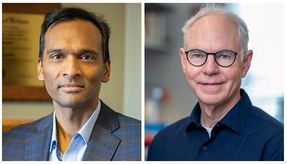
The thirteenth annual Harrington Prize for Innovation in Medicine has been jointly awarded to Arul Chinnaiyan, MD, PhD, Investigator, Howard Hughes Medical Institute and S.P. Hicks Endowed Professor of Pathology at the University of Michigan Medical School, and Charles L. Sawyers, MD, Investigator, Howard Hughes Medical...
Continue Reading
March 10, 2026
The annual Cozzarelli Prize acknowledges papers that reflect scientific excellence and originality. Continue Reading
February 28, 2026
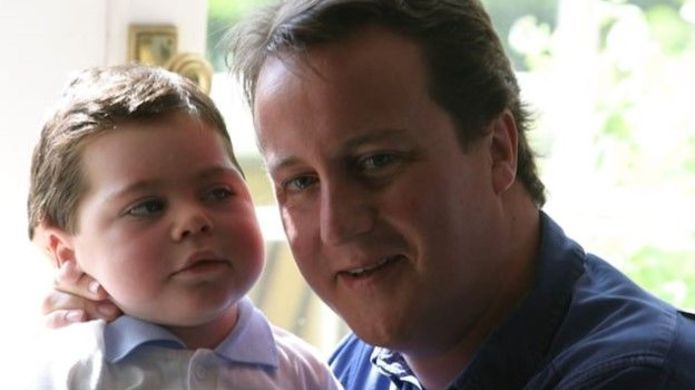
I feel emotional thinking about how medical science has evolved to offer new hope of saving lives. Continue Reading
February 28, 2026
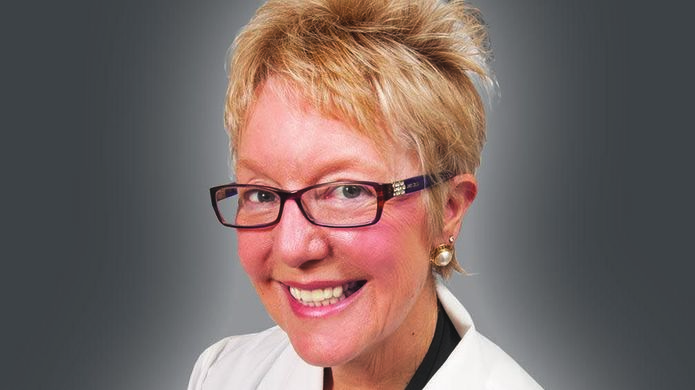
Harrington Scholar Dr. Diana Farmer Published in The Lancet Continue Reading
February 26, 2026
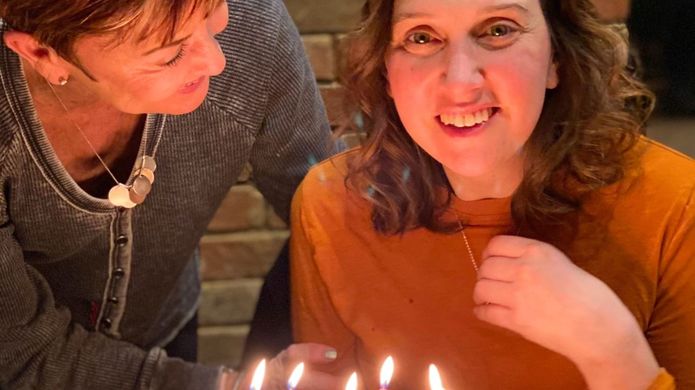
The Oxford-Harrington Rare Disease Centre (OHC) highlights its commitment to driving progress for rare disease—impacting the lives of families like Cynthia Schulz and her daughter Noni who spent decades living answers or effective treatments for CASK Continue Reading
February 06, 2026
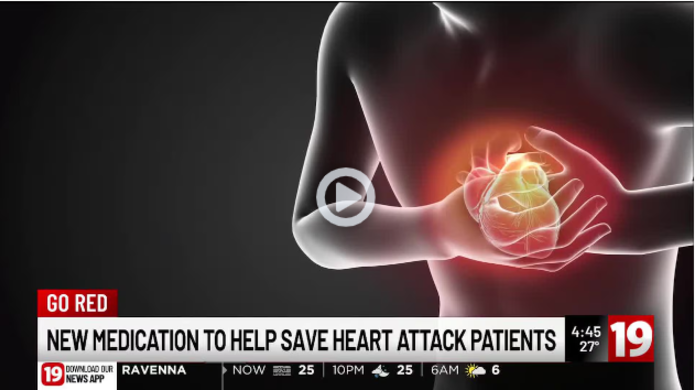
Harrington Discovery Institute at University Hospitals is supporting the development of a new drug called Zalunfiban that helped thousands of heart attack patients avoid complications in clinical trials. Continue Reading
January 29, 2026
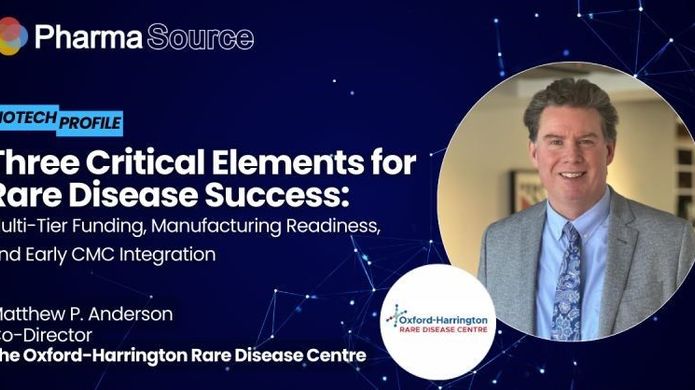
Oxford-Harrington Rare Disease Centre operates a transatlantic model that embeds industry expertise directly into academic rare disease programs. $250 Million Committed to Advance 40 Therapies into Clinical Trials by 2034 Continue Reading

January 15, 2026
Prestigious Scholar Award Accelerates Novel Therapies for Patients with Rare Diseases Continue Reading
December 23, 2025
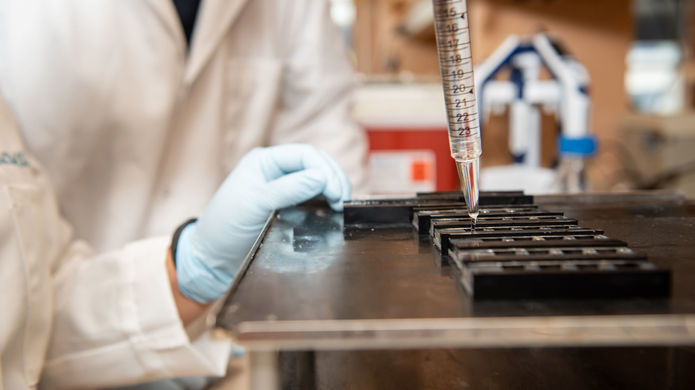
New Study from University Hospitals and Case Western Reserve University published in Science Signaling Continue Reading
December 23, 2025
A conversation with Matthew P. Anderson, MD, Ph.D., co-director, Oxford-Harrington Rare Disease Centre, featured in Drug Discovery Online Continue Reading
December 22, 2025
For over a century, Alzheimer's disease (AD) has been considered irreversible. Consequently, research has focused on disease prevention or slowing, rather than recovery. Despite billions of dollars spent on decades of research, there has never been a clinical trial of a drug for AD with an outcome goal of reversing disease and... Continue Reading